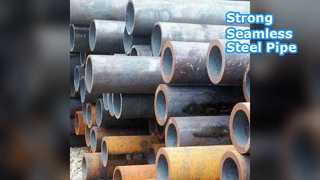
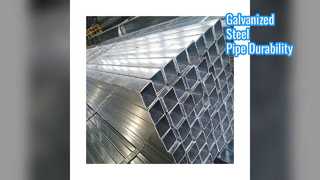
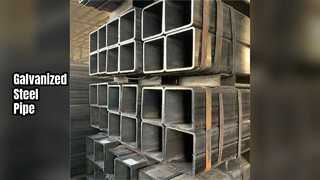
Brief: In this informative video, gain concise insights into the features that matter most for real-world use of Thick Wall Non-Alloy Seamless Steel Pipes with Beveled Ends. You'll see a detailed walkthrough of the manufacturing processes, including hot rolled and cold drawn techniques, and learn how different end types like beveled ends facilitate various installation requirements. We'll demonstrate the product's applications across industries such as oil and gas, construction, and boiler manufacturing, highlighting its seamless construction and corrosion resistance.
Related Product Features:
Manufactured using hot rolled or cold drawn processes for enhanced strength and surface finish.
Available with various end types including plain, beveled, and threaded ends for flexible installation.
Constructed from durable carbon steel material ensuring corrosion resistance and longevity.
Features precise tolerances of ±5% or ±10% to meet specific project requirements.
Seamless construction eliminates welding, reducing the risk of leaks and weak points.
Suitable for high-pressure applications in oil and gas, chemical, and boiler industries.
Offers versatile surface treatment options including bare, oiled, and black painting.
Customizable with plastic pipe caps for end protection during transport and storage.
Faqs:
What are the main differences between hot rolled and cold drawn seamless steel pipes?
Hot rolled pipes offer malleability and are suitable where precise dimensions aren't critical, while cold drawn pipes undergo a cold working process that enhances strength and surface finish, making them ideal for high-pressure and precision applications.
What end types are available for these seamless steel pipes?
These pipes are available with Plain End, Beveled End, and Threaded End options to cater to various installation requirements and connection methods in different industrial applications.
In which industries are these thick wall non-alloy seamless steel pipes commonly used?
They are widely used in oil and gas transportation, water systems, construction projects, chemical industry applications, boiler manufacturing, and heat exchangers due to their durability and leak-resistant seamless construction.